National Midterm Conference of the SBSSI

Interim Skull Base Meeting 2025

Neurosurgery AIIMS Bhopal & Neuro Association Bhopal

Date : 13th, 14th & 15th June, 2025

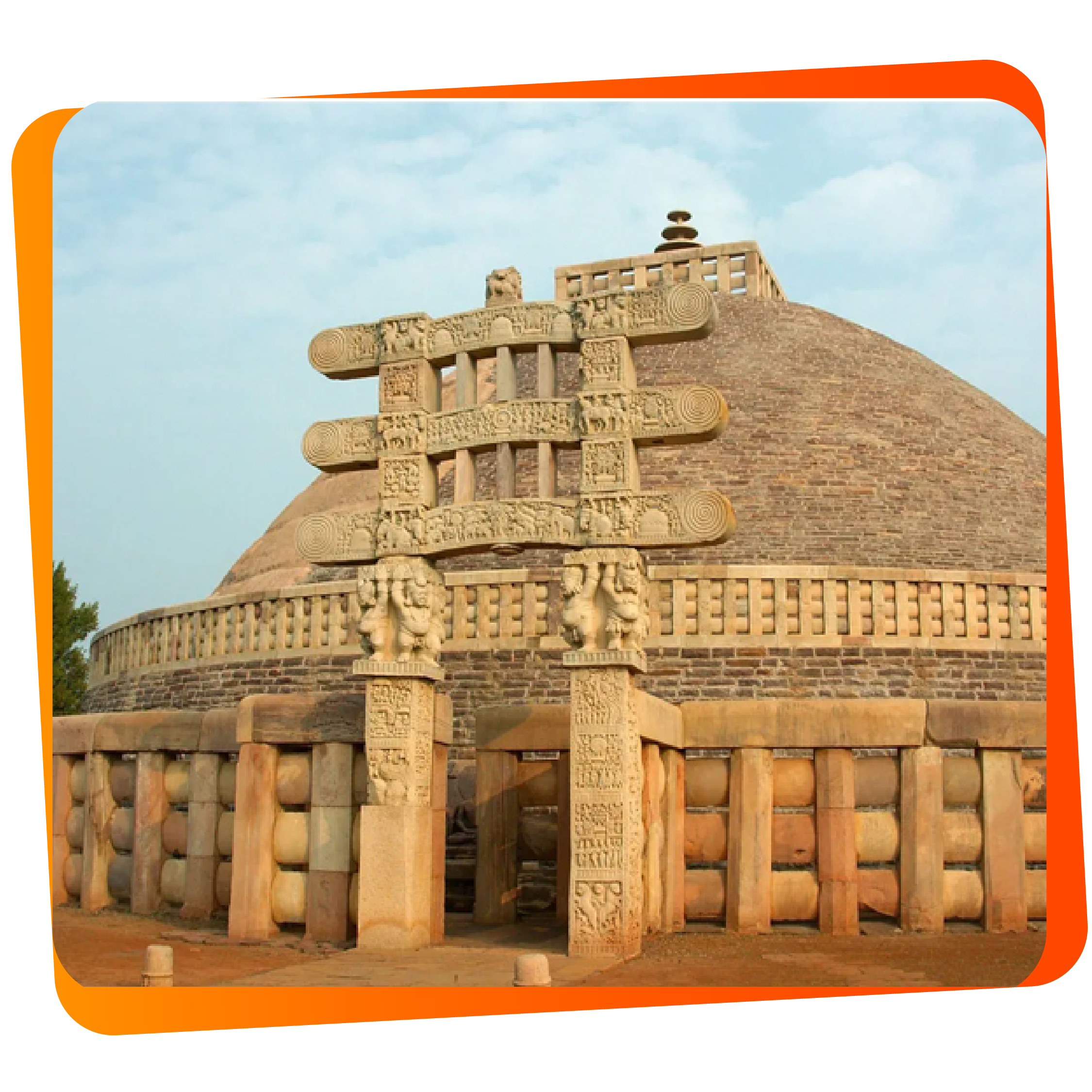
Sanchi Stupa

Sanchi Stupa

The Sanchi Stupa, a UNESCO World Heritage Site, is a prominent Buddhist complex located on a hilltop in Sanchi, Madhya Pradesh, India, renowned for its Great Stupa, a testament to Buddhist art and architecture from the 3rd century BCE to the 12th century CE. Sanchi Stupa is situated in the Raisen District of Madhya Pradesh, about 46 kilometers northeast of Bhopal. The site is a major Buddhist sanctuary, housing the Great Stupa and other monuments, including temples, viharas, and stambhas (pillars). The Great Stupa was built by Emperor Ashoka in the 3rd century BCE, and the site flourished as a center of Buddhism for several centuries.

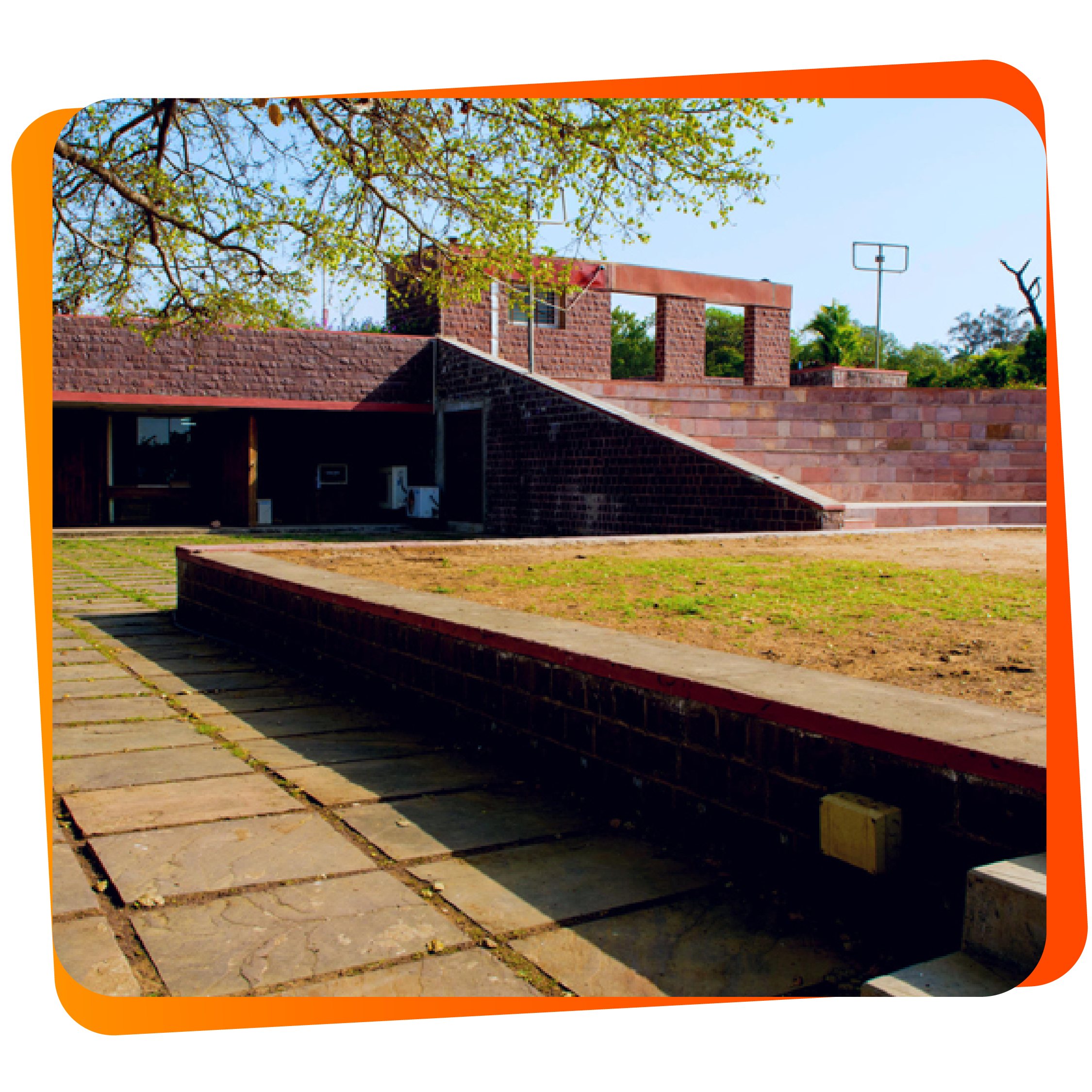
Bharat Bhavan

Inaugurated by the then Prime Minister of India, Mrs. Indira Gandhi on 13th February 1982, Bharat Bhavan is multi art centre set up to create an interactive proximity between the verbal, visual and performing arts. Establised and financed by Govt. of Madhya Pradesh, and run by an autonomous trust (Registered under section 5(1) of M.P. Public Trust act ), Bharat Bhavan provides space for contemporary expression, thought, quest and innovation. Bharat Bhavan seeks to provide a creative and thought provoking milieu to those who wish to contribute something new and meaningful, in contemporary scene in the fine arts, literature, theatre, cinema, dance and music. It houses some of the best and most lasting that is being created in our towns, villages and forests.

Bharat Bhavan
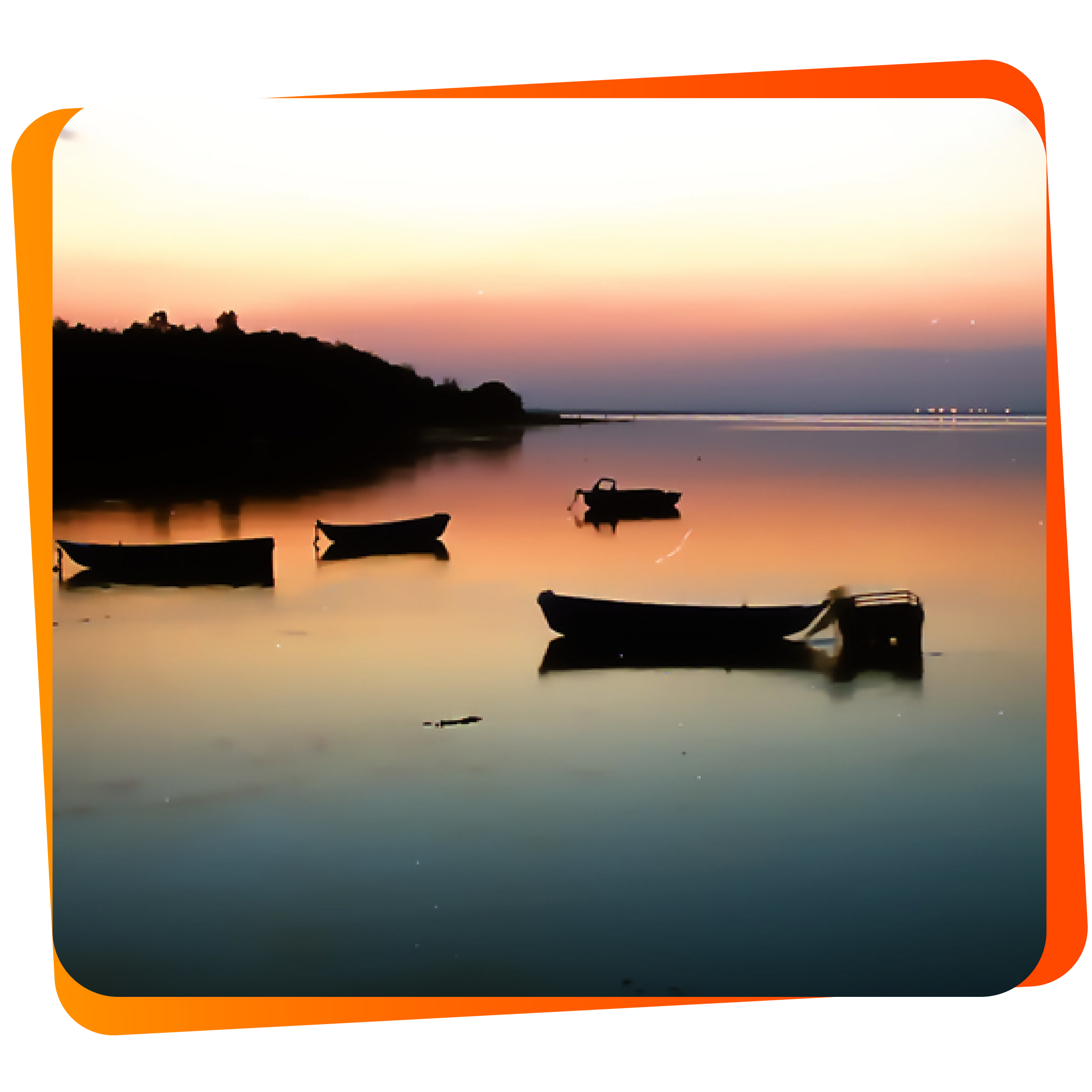
UpperLake

Upper Lake (Bhoj Tal)

Bhojtal, also known as Upper Lake, is a large lake which lies on the western side of the capital city of Madhya Pradesh, Bhopal, India. It is a major source of drinking water for the residents of the city, serving around 40% of the residents with nearly 30 million imperial gallons (140,000 m3) of water per day. Bada talaab, along with the nearby Chhota Talaab, meaning small lake in Hindi, constitute Bhoj Wetland, which is now a Ramsar site. Since the construction of the lake in the 11th century, Bhopal city has grown around it. The people are religiously and culturally attached to the lakes. The lakes meet their needs of water supply and they wash clothes in them (very harmful for the lake ecosystem), cultivate water chestnut in Bhojtal and lotus in Chhota Talaab. The idols of gods and goddesses are also immersed in the lake during religious festivals, though the local administration is advising devotees not to do so. The Takia island in Upper lake has a tomb of the Shah Ali Shah, which has religious and archaeological significance.

BhimBetka Caves

The Bhimbetka rock shelters are an archaeological site in central India that spans the Paleolithic and Mesolithic periods, as well as the historic period.It exhibits the earliest traces of human life in India and evidence of the Stone Age starting at the site in Acheulean times. It is located in the Raisen district in the Indian state of Madhya Pradesh, about 45 kilometres south-east of Bhopal. It is a UNESCO World Heritage Site that consists of seven hills and over 750 rock shelters distributed over 10 km At least some of the shelters were inhabited more than 100,000 years ago.The rock shelters and caves provide evidence of human settlement and the cultural evolution from hunter-gatherers to agriculture, and expressions of prehistoric spirituality.

Bhimbetka Caves
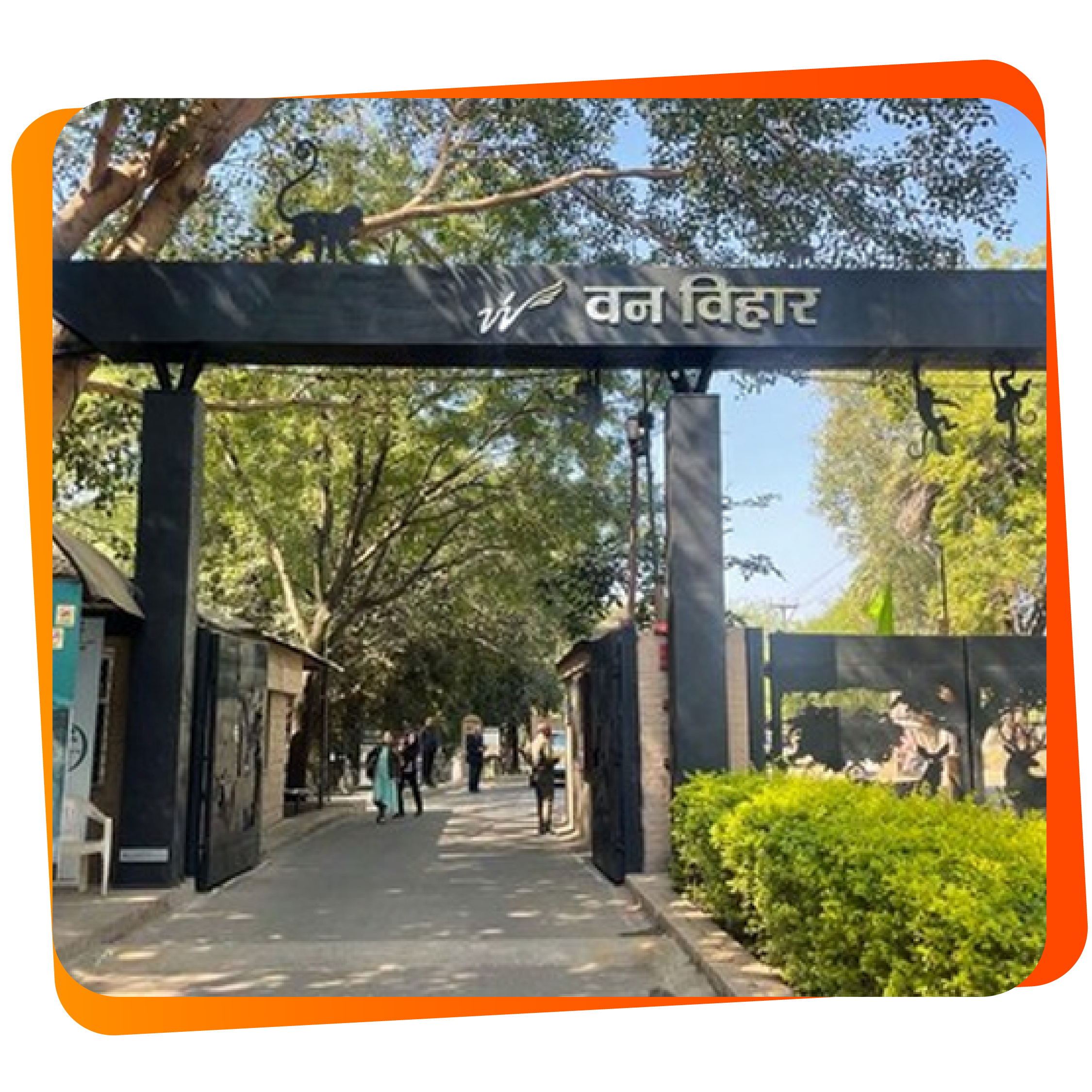
Van Vihar National Park

Van Vihar National Park

Van Vihar National Park and Zoo is one of the most revered National Park and Zoo of Central India and is a shining beacon in the field of conservation. It is an amazing world of winged creatures, free ranging ungulates and captive carnivores in the midst of greenery.The park which is more popularly known as just “Van Vihar” is considered as a “must see” destination for tourists visiting Bhopal. The characteristic combination of rich wetland areas, meadows, pools of water at different places, rugged slopes, mixed bamboo vegetation along with grass covered plateau and areas of mixed plantations support the rich floral and faunal diversity in the area.This green oasis amidst the city of lakes also plays a very vital role as a carbon sink contributing to environmental health of Bhopal. It is situated right next to the famous Upper Lake of Bhopal also known as the “Bada Talab” which is a Ramsar Site and one of the two lakes of Bhoj Wetland.

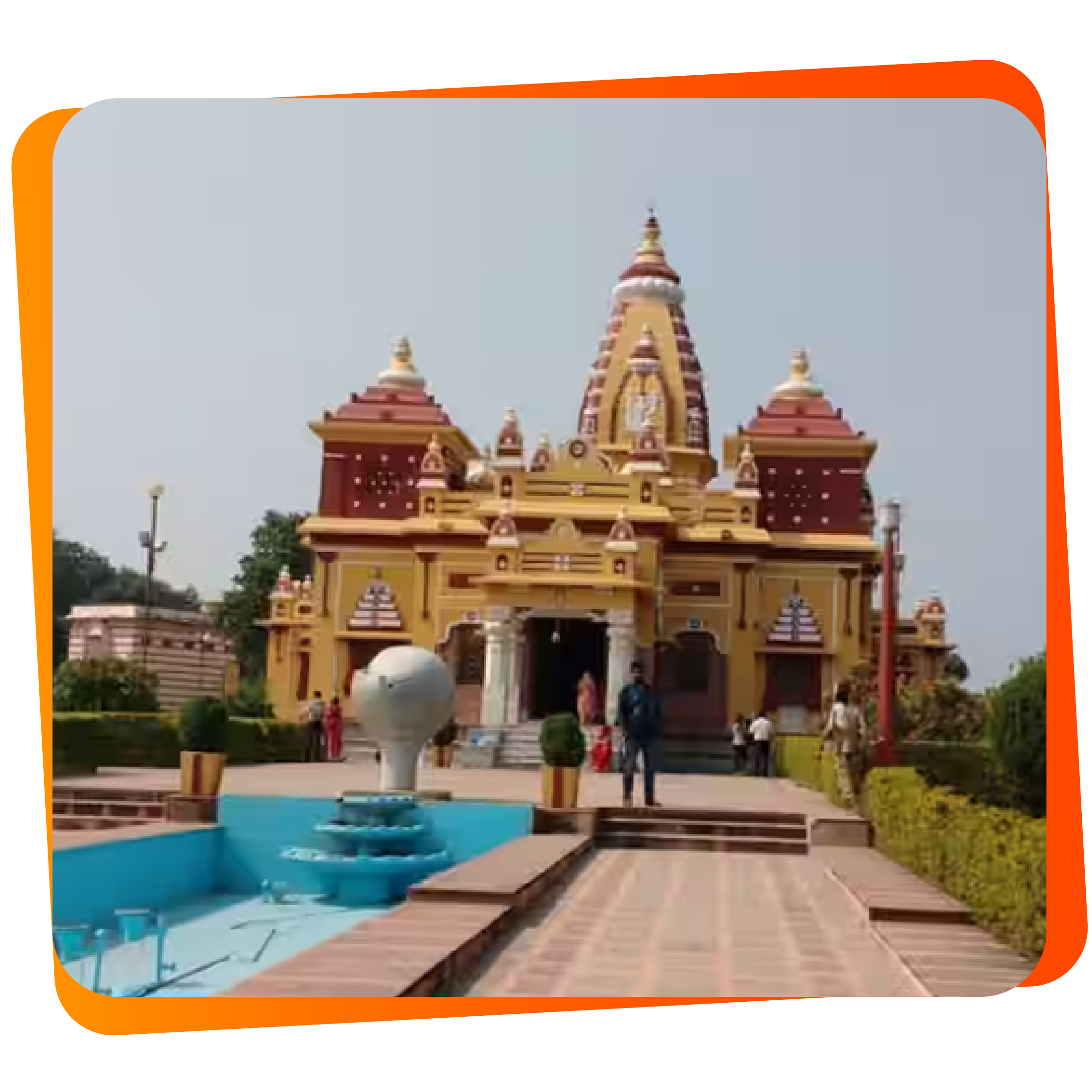
Birla Mandir

At a distance of 6 km from Bhopal Junction, Birla Mandir is a Hindu temple located in Bhopal, Madhya Pradesh. Also known as Lakshmi Narayan Temple, it is one of the popular places of pilgrimage in Bhopal, and among the must-visit places during Bhopal Trip.Built atop the striking Arera Hills, the famous Birla Temple was built as a tribute to Goddess Lakshmi and Lord Vishnu. It was erected by the famous industrial family - the Birla Group and inaugurated by Mahatma Gandhi. The temple is spread over 7.5 acres and is adorned with well-maintained lawns, gardens, fountains, and sculptures. Apart from Lakshmi and Lord Vishnu, this temple also houses a beautiful shrine of Lord Shiva, with his wife Parvathi.It is one of the oldest and well-maintained temples in Bhopal. The grand temple attracts thousands of devotees during the festivities of Janmashtami and Diwali. Surrounded by greenery and an ancient charm, the temple not only provides a spiritual experience but also a panoramic view of the picturesque city of Bhopal. From the backside of the temple, you can also have a glimpse of the enchanting lower lake.The Birla Temple also houses the famous Birla Museum on its premises. Established in 1971, Birla Museum has a wonderful collection of manuscripts, paintings, and sculptures belonging to the period from 2nd century BC to the 6th century AD. Primitive tools used in the Paleolithic and Neolithic age are on exhibit here. The stone sculptures belonging to the period between the 7th and 13th centuries are also on display.


Birla Mandir